
|
Getting your Trinity Audio player ready...
|
Sziget Festival 2026: Recap, Lineup, Tickets and the Island of Freedom Guide
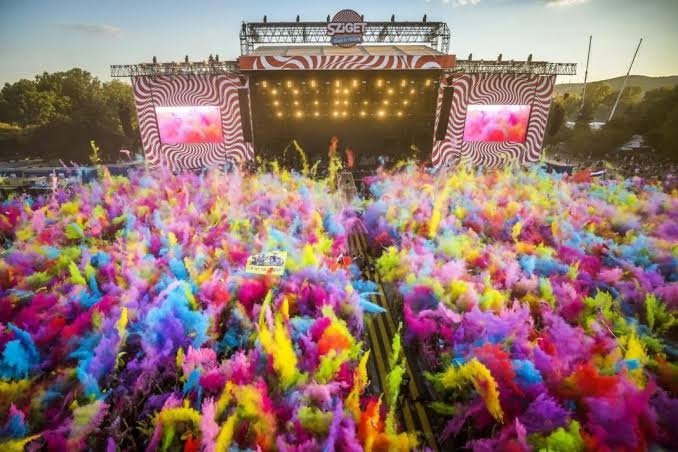
Sziget Festival took over Budapest’s Óbuda Island from August 11 to 15, 2026, turning a 108-hectare stretch of the Danube into what regulars call the “Island of Freedom” for its 31st edition. Nearly 360,000 people from more than 110 countries came through the gates across the five days, drawn by a lineup topped by Florence + The Machine, Twenty One Pilots, Zara Larsson and Bring Me The Horizon, and by a festival experience built as much around art installations, theatre and river-adjacent downtime as it is around any single headline set. Here’s what happened, plus everything worth knowing if you’re weighing a trip to Sziget in the future.
Sziget Festival 2026 Dates
The main event ran Tuesday, August 11 through Saturday, August 15, 2026, with an unofficial “Day Zero” on August 10 when campers moved onto the island and early acts warmed things up, and closing programming stretching into the early hours of Sunday, August 16.
Where Is Sziget Festival Held?
Sziget takes place on Óbuda Island (Óbudai-sziget), a green island in the Danube in northern Budapest, Hungary. For one week each summer, what’s normally a public park becomes a self-contained festival city with its own beach, camping zones, bars, restaurants and art districts. The island connects to the rest of Budapest by bridge and is a short ride from the city center, which is part of what makes Sziget distinct from most other major European festivals: Budapest itself, with its thermal baths, ruin bars and historic core, is genuinely part of the experience rather than just a logistics problem to solve.
Sziget Festival 2026 Lineup
The 2026 bill was headlined by Florence + The Machine, Twenty One Pilots, Lewis Capaldi, Bring Me The Horizon and Zara Larsson, with Underworld, Faithless, Skrillex, Jorja Smith and Sombr also drawing major sets. In total, organizers confirmed a cross-genre lineup of more than 250 acts across roughly eight stages, spanning pop, rock, electronic, hip-hop and indie, alongside heavier and more alternative bookings on the dedicated A38 Stage. Other notable names across the week included Biffy Clyro, Wolf Alice, Natasha Bedingfield, Ashnikko, Bad Nerves and Lambrini Girls.
Sziget Daily Schedule
Reporting from the ground broke the week down roughly like this:
- Day 1, Tuesday August 11: Bad Nerves opened with high-energy punk, but Wolf Alice was widely cited as the standout of the day. Sombr and Zara Larsson both drew large crowds in the evening, with Larsson’s set built around material from her Midnight Sun tour, and Underworld closed out the night’s electronic programming alongside Sara Landry.
- Wednesday and Thursday: Biffy Clyro brought a classic rock set to the afternoon crowd, and reviewers highlighted a run of sets balancing major pop names with alternative and indie acts across the island’s smaller stages.
- Final days: Jorja Smith played what was billed as her “party set,” performing just after returning from supporting Harry Styles on tour, and the festival’s closing stretch wound down with sets from Skrillex and other electronic acts before the island’s programming wrapped early Sunday morning.
Exact set times for the full roster were released closer to the festival through Sziget’s official app and site, which is standard for an event with this many overlapping stages.
Sziget Tickets and Prices
Sziget uses tiered pricing that rises in phases as the festival approaches, so buying early is the most reliable way to save money. For reference, pricing confirmed close to the 2026 event included:
- Day ticket: approximately €109 (39,900 HUF), plus a handling fee
- Full Festival Pass (5 days): approximately €399 (157,000 HUF), plus a handling fee
- VIP Full Festival Pass: approximately €599, plus fee
- 3-day passes: from roughly €225
- Early-bird day tickets were available earlier in the sales cycle for less, in the range of €59 to €99 depending on timing
Camping is sold separately from festival admission, with options ranging from basic tent camping (from around €40 for the week) up to premium private igloos running several hundred euros. The festival runs on a cashless system called Festipay, loaded onto each attendee’s entry wristband, with any unused balance automatically refunded within 30 days of the festival minus a small processing fee.
How to Get to Sziget Festival
Óbuda Island is reachable from central Budapest by the HÉV H5 suburban rail line, typically in 10 to 15 minutes from stops like Batthyány tér, or by a short walk over the pedestrian bridge depending on which entrance you’re using. Budapest’s main airport connects to downtown via the 100E Airport Express, which links up with the HÉV line for the final leg to the island. Private transfers are also widely available for anyone traveling with camping gear or arriving in a larger group.
Where to Stay for Sziget Festival
Most attendees camp directly on the island for the full week, which is included with a standard festival pass at the most basic tier and upgradeable to more comfortable options. For anyone who’d rather sleep somewhere with real walls, Budapest’s city center hotels and apartments put you within a 20 to 30 minute commute of the festival grounds via the HÉV line, and plenty of visitors split the difference by camping for part of the week and basing in the city for the rest.
What to Expect at Sziget Festival
Sziget bills itself less as a straightforward music festival and more as a temporary city built around freedom of expression, a framing that dates back to its founding in post-communist Hungary. Beyond the main stages, the island includes dedicated theatre, circus and art zones, a beach area on the Danube, and extensive food options spanning global cuisines at prices generally running €7 to €12 per meal. Security checks, including bag and clothing checks, are standard at every entrance, and outside food and alcohol are restricted, though sealed water and limited snacks are typically allowed.
Age policy is layered: the festival is open to all ages, and children under 11 get in free, but certain areas, particularly bars and nightlife zones, are strictly 18 and older with ID checks, and anyone under 14 needs to be accompanied by an adult throughout the site, camping areas included. Valid photo ID is required at all times for anyone hoping to access age-restricted areas.
Sziget Festival History
Sziget began in 1993 as Diáksziget, or “Student Island,” a grassroots event organized by musician Péter Müller Sziámi and entrepreneur Károly Gerendai in the years following Hungary’s transition away from communist rule. The pair, along with a small circle of friends and advisors, chose Óbuda Island specifically because it was central, enclosed, and largely disconnected from residential neighborhoods. That first edition drew more than 43,000 people, and attendance jumped again the following year, setting a growth pattern that continued for decades and eventually made Sziget one of Europe’s largest festivals, drawing comparisons to Glastonbury for its scale and countercultural roots.
Over the following three decades, Sziget’s lineups came to include names like David Bowie, Prince and Iggy Pop, and the festival built its identity around the idea of Szitizens, or “island citizens,” complete with festival passports rather than ordinary tickets. Ownership of the festival shifted over the years, including a period under foreign corporate control, before returning to Hungarian ownership ahead of the 2026 edition, with founder Károly Gerendai taking a renewed leadership role. That transition happened late in the planning cycle, giving organizers less time than usual to build the 2026 program, a constraint reviewers noted was managed successfully despite the compressed timeline.
Biggest Performances and Moments
Coverage from the festival singled out Wolf Alice’s opening-day set as a standout, along with Zara Larsson’s high-energy performance built around her recent Midnight Sun album, during which she brought fans on stage as part of her now-signature closing moment. Jorja Smith’s set drew attention both for the music and for the timing, arriving just as she prepared to release her third album and shortly after a run supporting Harry Styles in Mexico City. Underworld and Skrillex anchored much of the festival’s late-night electronic programming across multiple evenings.
Beyond individual sets, several reviewers framed 2026 as a transitional year for the festival itself. Attendance came in at nearly 360,000, down from 416,000 the previous year, though comparisons between the two editions are complicated by a shorter regular festival window in 2026 and the late ownership change that shortened the planning runway. One notable shift was in the makeup of the crowd, with Hungarian attendees making up 53 percent of visitors in 2026, a higher share than in recent years, as the festival works to rebuild its traditionally large international audience.
Frequently Asked Questions
How many people attend Sziget Festival? Sziget drew nearly 360,000 attendees from more than 110 countries in 2026, down somewhat from 416,000 the year before, though the festival has historically drawn crowds well above 400,000 in its biggest years.
Is Sziget Festival a camping festival? Yes, most attendees camp directly on Óbuda Island for the week, though camping is sold separately from the festival pass and day-ticket holders can also commute in from Budapest.
What age do you need to be to attend Sziget? Sziget is open to all ages, with free entry for children under 11. However, bars and nightlife zones are restricted to guests 18 and older with ID checks, and anyone under 14 must be accompanied by an adult throughout the site.
How do I get to Óbuda Island from central Budapest? The HÉV H5 suburban rail line connects central Budapest to the island in about 10 to 15 minutes, and it’s also reachable on foot via pedestrian bridge depending on the entrance.
Is Sziget cashless? Yes. The festival uses a system called Festipay loaded onto your entry wristband, which can be topped up by card or cash. Any unused balance is refunded automatically within 30 days after the festival, minus a small processing fee.
When does Sziget Festival happen each year? Sziget traditionally runs for about a week in mid-August, though the exact dates shift slightly year to year. The 2027 edition has already been confirmed for August 10 through 14.
If you’re planning ahead, Sziget’s organizers confirmed dates for the 2027 festival shortly after the 2026 edition wrapped, so anyone hoping to attend next year’s Island of Freedom should keep an eye on official channels for ticket registration details as they’re released.
Be the first to comment