
|
Getting your Trinity Audio player ready...
|
How to Choose the Best Music Festival: Lineups, Genres, Locations and What to Know
Quick Answer
The right festival for you comes down to four questions: what genre or genres you actually want to hear, whether you’d rather see one artist do a headline set or sample thirty smaller acts, how far you’re willing to travel and camp versus commute, and what you’re realistically willing to spend once travel and lodging get added on top of the ticket. There’s no universal “best” festival, only the best match for how you like to experience live music.
Most people pick a festival based on a single headliner they saw on a poster, then realize halfway through the weekend that the format, crowd size, or logistics weren’t what they expected. This guide walks through the actual decision points, not just a list of names.
Start With Genre, Not Name Recognition
Festivals fall into two broad categories: multi-genre and single-genre, and the difference matters more than most first-timers expect.
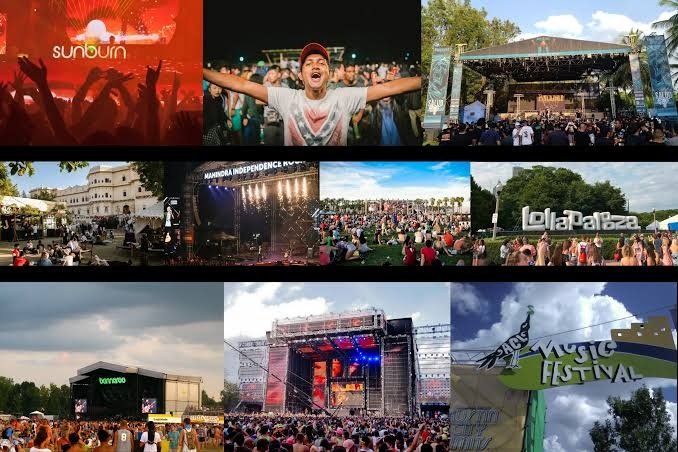
Multi-genre festivals like Coachella, Bonnaroo, Lollapalooza, and Austin City Limits book across pop, hip-hop, rock, indie and electronic music on the same weekend, often across multiple stages running simultaneously. These are built for people who follow artists more than genres, or who want variety built into the itinerary.
Single-genre festivals are built around a specific sound and tend to draw a more specialized crowd. A few examples worth knowing:
- Country: Stagecoach in Indio and the CMA Music Festival in Nashville are the two biggest names, with Stagecoach functioning as Coachella’s country-leaning sister event on the same grounds.
- Jazz: The New Orleans Jazz and Heritage Festival is one of the largest festivals in the country regardless of genre, spanning ten days and blending jazz with blues, gospel and Creole food culture. Smaller regional jazz festivals run in cities like Portland and Memphis.
- Electronic: Tomorrowland and EDC Las Vegas represent two different strains of the genre. Tomorrowland leans toward big-room house and trance with elaborate stage design, while EDC covers a wider spread of bass, techno and trap alongside its mainstage sets.
- Hip-hop: Rolling Loud is the clearest single-genre hip-hop festival at scale, with editions in multiple U.S. cities each year.
- Folk and bluegrass: Telluride in Colorado is the reference point for bluegrass, drawing a smaller, more acoustic-focused crowd than the major multi-genre events.
- Rock and metal: Festivals like Louder Than Life and Riot Fest cater specifically to rock, punk and metal audiences, with lineups that skew heavier than what shows up on a Coachella poster.
If you already know you want a weekend built entirely around one sound, a single-genre festival will almost always deliver a more consistent experience than picking through the schedule at a multi-genre event hoping enough acts in your lane show up.
Headliner Depth vs. Lineup Breadth
Two festivals can look similar on paper and feel completely different once you’re there. The distinction comes down to whether a festival is built around a small number of marquee headliners or a deep, wide lineup where no single act dominates the weekend.
Festivals built around headliner depth tend to have massive crowds concentrated at a few key sets, with long gaps in between where the smaller stages carry the day. Festivals built around lineup breadth spread the draw more evenly across dozens of acts, which usually means smaller crowds at any given stage but less pressure to plan your entire day around getting a good spot for one specific set.
Neither approach is better. If you’re going specifically to see one or two artists, headliner-driven festivals deliver that moment more reliably. If you like discovering new acts and don’t mind missing a big name here or there, breadth-driven lineups tend to reward that kind of wandering.
Location and Travel Logistics
Where a festival happens shapes the entire trip more than most people plan for.
City festivals (Governors Ball in New York, Outside Lands in San Francisco, Lollapalooza in Chicago) sit inside or near a major metro area with existing hotels, transit and food options already in place. These tend to be the easiest festivals to plan around because you’re not building infrastructure from scratch, you’re just adding a festival day to a city you can already navigate.
Destination festivals (Coachella in the California desert, EDC on the outskirts of Las Vegas, Tomorrowland in a small Belgian town) require more deliberate planning. Local lodging supply is limited relative to demand, prices spike hard during the event, and you’re often reliant on festival-run shuttles or a rental car to get around.
Rural and camping festivals (Bonnaroo in rural Tennessee, many bluegrass and folk festivals) go a step further and ask you to bring your own shelter and supplies for the weekend. There’s no meaningful hotel option nearby, camping is the format, not an alternative to it.
Matching your travel tolerance to the festival’s location type avoids a lot of the frustration first-timers run into, most commonly underestimating how far a “nearby” hotel actually is from a desert or rural festival site.
Festival Size and Crowd Density
Attendance numbers vary enormously across festivals, and size changes the experience in ways that aren’t obvious from a lineup poster alone.
Large-scale festivals drawing well over 100,000 attendees per day, EDC Las Vegas and Tomorrowland among them, deliver massive production value: elaborate stage builds, pyrotechnics, and a genuine sense of scale. The tradeoff is crowd density. Getting close to a mainstage set often means arriving hours early, and moving between stages can eat up significant chunks of your day.
Mid-size festivals in the 40,000 to 80,000 per day range, which describes most city festivals like Governors Ball and Outside Lands, tend to strike a more manageable balance between name-brand lineups and actual mobility around the grounds.
Smaller regional and genre-specific festivals, often under 20,000 attendees, trade production scale for accessibility. You can typically get close to any stage without an hours-long wait, and the overall pace is less physically demanding across a multi-day weekend.
If you’ve never been to a festival before, starting with a mid-size or smaller event is generally an easier introduction than jumping straight into one of the largest festivals on the calendar.
Budget: What Actually Drives the Cost
Ticket price is usually the smallest line item once a festival trip is fully budgeted. The bigger costs are travel, lodging, and food, and all three vary sharply by festival type.
Destination festivals in high-demand locations push hotel prices up dramatically during the event weekend, sometimes several times the normal rate. City festivals are more forgiving here since you’re competing for hotel rooms in a market that isn’t solely built around the one event. Camping festivals eliminate the hotel cost entirely but add gear costs if you don’t already own camping equipment.
Most major festivals also sell tiered tickets, typically general admission, an upgraded GA+ tier with amenities like shaded viewing, VIP with elevated platforms and private bars, and a premium tier aimed at people who want close stage access and hospitality. The music is identical across every tier. The upgrades pay for comfort and convenience, not a better set list.
Matching a Festival to Your Travel Style
| If you want… | Look for… |
|---|---|
| Maximum genre variety in one weekend | Multi-genre festivals like Bonnaroo, Lollapalooza, Coachella |
| A deep dive into one specific sound | Single-genre festivals (Stagecoach for country, Rolling Loud for hip-hop, Telluride for bluegrass) |
| Minimal travel planning | City festivals with existing hotel and transit infrastructure |
| A full immersive weekend, no daily commute | Camping festivals like Bonnaroo |
| The biggest production value and scale | Large-scale festivals like EDC or Tomorrowland |
| An easier first festival experience | Mid-size or regional festivals under roughly 80,000 daily attendance |
Frequently Asked Questions
Should I pick a festival based on the headliners or the overall lineup? It depends on how you experience live music. If missing a specific artist would ruin the trip for you, prioritize festivals where that artist is confirmed. If you enjoy discovering new acts across a full day, lineup breadth matters more than any single name on the poster.
Are single-genre festivals better than multi-genre ones? Neither is objectively better. Single-genre festivals deliver a more consistent sound throughout the weekend, while multi-genre festivals offer variety but require more schedule planning to catch everything you care about.
Is a smaller festival worth it if it doesn’t have big-name headliners? Often yes, especially for a first festival. Smaller and regional festivals tend to have shorter waits, easier movement between stages, and a lower overall cost, even though the lineup won’t carry the same name recognition as the largest events.
How much does location really affect the cost of attending? Significantly. Destination festivals in areas with limited lodging, deserts and small towns especially, tend to have the highest total trip cost once inflated hotel rates during the event are factored in, even when the ticket price itself is comparable to a city festival.
Do I need to camp to attend a rural festival? At many rural festivals, yes, since there isn’t meaningful hotel infrastructure nearby to serve as an alternative. Always check the specific festival’s lodging options before assuming a hotel stay is realistic.
Be the first to comment